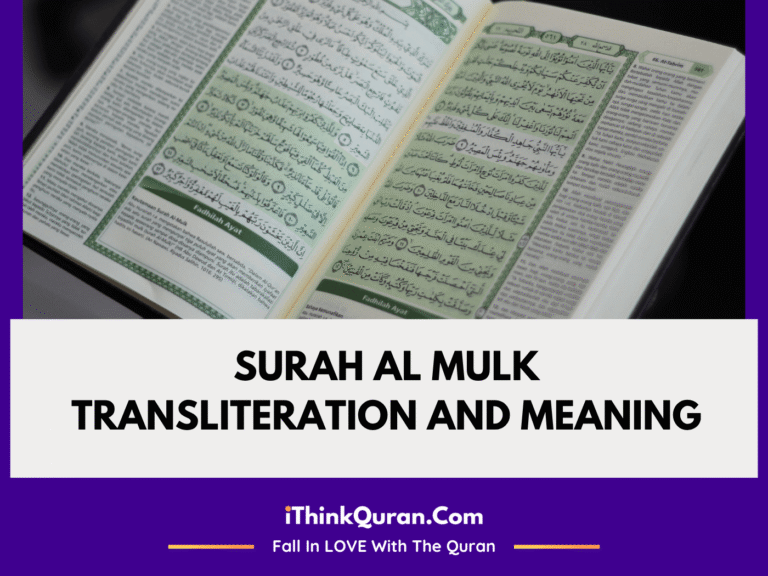
Introduction to the Quran
The Quran, revered as the holy book of Islam, serves as a foundational text for Muslims worldwide. Its significance extends beyond mere scripture; it is a comprehensive guide for spiritual and moral guidance. Historically, the Quran was revealed to the Prophet Muhammad over a span of approximately 23 years, beginning in 610 CE and concluding in 632 CE. This context is crucial for understanding its impact on Islamic thought and practice.
Structurally, the Quran is divided into 114 chapters, known as surahs, each comprising varying numbers of verses, called ayat. The arrangement of these surahs is not chronological; rather, they are organized primarily by length, with the exception of the opening chapter, Al-Fatiha. Each surah addresses different themes, ranging from theology and law to morality and guidance, reflecting the diverse aspects of human existence. The linguistic style of the Quran, characterized by its eloquence and depth, sets a high standard within Arabic literature. This unique quality enhances its recitational and memorization practices, central to the Islamic faith.
For Muslims, engaging with the Quran is more than an intellectual exercise; it is a profound spiritual journey. The objectives of reading the Quran include seeking spiritual solace, acquiring moral teachings, and fostering a stronger connection with Allah. Many Muslims aim to understand the meanings behind the verses to integrate these teachings into their daily lives. Thus, the Quran not only serves as a guide for worship but also as a roadmap for ethical and moral decision-making. In learning from this text, individuals embark on a journey that transcends linguistic barriers, making its teachings accessible to people of all backgrounds.
How to Start Learning the Quran from Zero
Embarking on the journey to learn the Quran can be a fulfilling and transformative experience. To begin learning, it is essential to start with the basic concepts of Quranic Arabic. Familiarizing oneself with the Arabic alphabet is paramount, as it forms the foundation for reading and understanding the text. There are numerous online resources and apps available that provide interactive ways to learn the Arabic letters and sounds, making it easier for beginners.
Setting realistic goals is another vital aspect to consider. Rather than overwhelming oneself with the vastness of the Quran, it would be beneficial to set achievable objectives. Whether it is dedicating a specific amount of time each day to study or aiming to learn a few verses weekly, these small milestones will help maintain motivation. Documenting progress can also provide encouragement and a sense of accomplishment.
Consistency in practice is fundamental when learning the Quran. Establishing a daily routine that incorporates reading, memorization, and reflection will aid in reinforcing knowledge. One effective method is to divide the learning process into manageable sections, allowing for focused study while also preventing burnout. Additionally, integrating listening practices, such as recitations from respected Qaris, can help in improving pronunciation and comprehension.
Enrolling in Quranic classes or seeking online courses can provide structured learning environments. These platforms often offer guided instructions from knowledgeable instructors. Furthermore, participating in supervised halaqas (study circles) can enhance understanding and provide opportunities for community learning. It is also advisable to find a mentor or teacher who can provide personalized guidance and feedback throughout this journey.
Understanding the Quran Without Arabic Knowledge
For individuals interested in exploring the Quran without proficiency in the Arabic language, there are several effective methods to comprehend its profound messages. One of the primary resources available are reliable translations, which can bridge the gap between the original Arabic text and a reader’s native language. Numerous translations exist, varying in style and accuracy. Therefore, it is critical to select a translation that not only conveys meaning but also reflects the intended spirit of the text.
Many scholars argue that working with respected translations from knowledgeable authors is essential for a genuine understanding. Translations by reputed scholars such as Abdullah Yusuf Ali or Saheeh International are often recommended for their clarity and respect toward the original text. However, relying solely on translations can sometimes lead to misunderstandings since nuances in the original language may not always be fully captured.
In addition to translations, tafsir, or scholarly commentaries, serve as invaluable resources for grasping the context, themes, and messages within the Quran. Tafsir elaborates on the text’s meanings, its historical context, and the reasons behind specific revelations. Engaging with these commentaries enables a deeper understanding that extends beyond literal translation, taking into account the cultural and historical backdrop of the verses.
Participating in study groups or Quranic classes can further enhance one’s understanding, as discussions with knowledgeable individuals can illuminate different interpretations and insights. These environments often foster questions and exploration, encouraging learners to consider multiple perspectives and cultural implications. Moreover, utilizing modern multimedia resources such as lectures, podcasts, and online courses can enrich the comprehension journey, making it more accessible for non-Arabic speakers. By integrating various methods of study and discussion, one can appreciate the Quran’s teachings, even without direct fluency in Arabic.
Tips for Sustained Engagement with the Quran
Building a lasting relationship with the Quran is essential for spiritual growth and understanding. One practical approach is to establish a regular reading habit. Setting aside time each day, whether in the morning or evening, can create a consistent routine. This regularity facilitates a deeper connection with the text and allows for gradual absorption of its teachings. Consider using a journal to note reflections or insights gained during your reading, promoting active engagement rather than passive consumption.
Moreover, the technique known as tadabbur, or reflection, plays a crucial role in understanding Quranic verses. After reading, take a moment to ponder the meanings. Ask yourself how these lessons can be applied to daily life. This reflective practice encourages not only comprehension but also personal growth, fostering a mindset of continual learning.
Memorization, or hifz, serves as another profound way to enhance your relationship with the Quran. Engaging with the text through memorization helps in internalizing its teachings and making them a part of one’s identity. Regular review and practice of memorized portions can reinforce understanding while deepening one’s commitment to the Quran.
In today’s digital age, technology can support Quranic engagement significantly. Various applications provide access to translations, interpretations, and audio recitations, making it easier to engage with the text anytime, anywhere. Using these resources can break language barriers and facilitate a more profound understanding of the language and context of the Quran.
Lastly, participating in community Quran studies can enhance your connection to the text. Engaging with others allows for shared insights and diverse perspectives, making learning a collaborative experience. Groups often provide support and motivation, which can encourage a deeper commitment to studying the Quran.